The Main Storylines of the UEFA Champions League Season
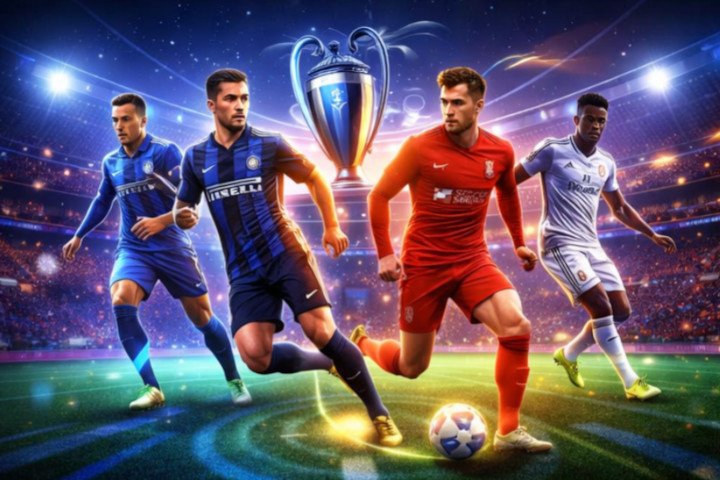
The UEFA Champions League remains the most watched club competition in world football, shaping debates across Europe and the United States alike. Every campaign brings new tactical clashes, rising stars, and dramatic knockout ties that dominate headlines. Fans follow the action through broadcasts, social media discussions, and even broader entertainment ecosystems where football culture overlaps with digital platforms such as Betwinner RDC Télécharger, which often appears in conversations about global sports engagement. As the current season unfolds, several powerful narratives are defining how supporters, analysts, and clubs interpret the race for Europe’s most prestigious trophy.
Title Contenders and Tactical Identity Battles
Each season begins with speculation about which teams possess the balance of depth, strategy, and mental resilience required to reach the final. The group stage and early knockout rounds provide insight into how elite clubs adapt their tactical identity against varied opponents. Managers often experiment with formations, while squads rotate players to handle packed domestic and continental schedules.
| Club | Tactical Focus | Key Strength | Potential Risk |
|---|---|---|---|
| Manchester City | Positional control and high pressing | Midfield dominance and squad depth | Fatigue from intense match calendar |
| Real Madrid | Counterattacking efficiency | Experience in knockout scenarios | Reliance on individual brilliance |
| Bayern Munich | Direct attacking transitions | Physical intensity and wing play | Defensive exposure against quick forwards |
| Paris Saint-Germain | Fluid attacking movement | Star power in the final third | Defensive structure under pressure |
These matchups show how modern football blends structured systems with moments of individual creativity. Coaches face constant scrutiny as they balance defensive solidity with attacking ambition. As the season progresses, tactical duels become more refined, shaping the path toward the semi-final stage where margins are razor thin.
Rising Stars and Veteran Leadership
The Champions League has long served as a stage where young prospects make their mark while seasoned players reinforce their legacy. Supporters and scouts closely watch how emerging talents cope with pressure, travel demands, and intense media attention. Performances in Europe can rapidly transform a promising footballer’s career trajectory.
- Breakout performances from academy graduates who seize starting roles
- Experienced captains influencing tempo and decision-making during tight matches
- Goalkeepers delivering decisive saves that alter the direction of knockout ties
- Midfielders dictating possession patterns against high-intensity pressing systems
This dynamic between youth and experience creates compelling story arcs across the competition. Clubs that blend energy with composure often gain an edge when fixtures become unpredictable. The tournament’s narrative is shaped not only by final scores but also by the personal journeys of players adapting to elite expectations on a global stage.
The Financial Stakes and Global Audience Expansion
Beyond the pitch, the Champions League continues to expand its commercial footprint. Broadcasting rights, sponsorship deals, and digital engagement strategies play a decisive role in shaping how clubs invest in talent and infrastructure. Teams reaching the latter rounds secure significant revenue streams, which influence long-term planning and competitive balance across domestic leagues.
Financial incentives are tied to performance metrics such as match victories, television exposure, and market pool distribution. Clubs from emerging football markets aim to use European success as a catalyst for brand growth. At the same time, established giants seek sustained participation to maintain international relevance. This financial dimension intensifies competition and increases pressure on management decisions.
Tactical Evolution and Data-Driven Preparation
Modern Champions League campaigns reflect the growing reliance on analytics and performance science. Coaching staffs study detailed metrics related to pressing intensity, passing networks, and defensive spacing. These insights inform training sessions and matchday strategies, allowing teams to prepare for opponents with remarkable precision.
Advanced tracking technologies provide real-time information on player movement and stamina levels. Analysts evaluate patterns across multiple competitions, helping managers decide when to rotate squads or alter formations. Such data-driven preparation has reshaped how elite clubs approach continental fixtures, turning preparation into a strategic contest that begins long before kickoff.
Knockout Drama and Psychological Resilience
As the competition moves toward its decisive rounds, psychological factors become increasingly visible. Penalty shootouts, late comebacks, and controversial officiating decisions often define public memory of a given season. Players must cope with intense scrutiny while maintaining focus during decisive moments.
Crowd atmosphere plays a role as well. Stadiums across Europe create unique environments that can inspire home teams or unsettle visiting squads. Travel logistics, weather conditions, and fixture congestion further influence how teams manage energy levels. These elements contribute to the unpredictability that keeps audiences captivated from the round of sixteen onward.
Legacy, Records, and Long-Term Impact
Every Champions League season contributes new chapters to football history. Records related to goals scored, consecutive victories, or managerial milestones capture the imagination of supporters worldwide. Clubs aim not only to lift the trophy but also to cement their place in the sport’s collective memory.
The long-term impact extends beyond silverware. Successful campaigns shape recruitment strategies, youth development programs, and fan engagement initiatives. For emerging clubs, deep runs in the tournament can redefine perception and attract global sponsorship interest. For traditional powerhouses, maintaining dominance reinforces prestige and financial stability.
As the current season advances, the interplay of tactical innovation, personal ambition, and commercial ambition continues to define its main storylines. Each match contributes to a broader narrative that blends sporting excellence with cultural influence, keeping the UEFA Champions League at the center of global football discourse.